Diverse Funding Options Shaping Bonus Structures in Mobile Jackpot and Live Dealer Games
Geschrieben von Henrik Klein · 29.10.2026
Diverse Funding Options Shaping Bonus Structures in Mobile Jackpot and Live Dealer Games
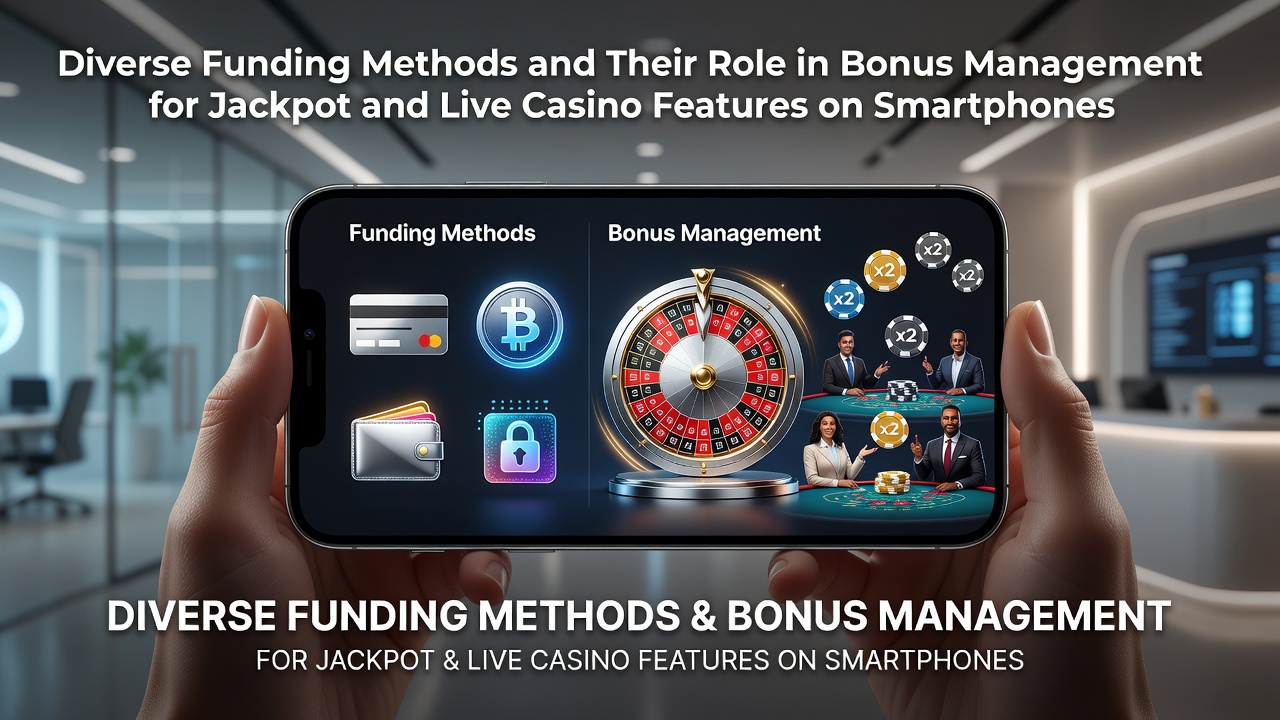
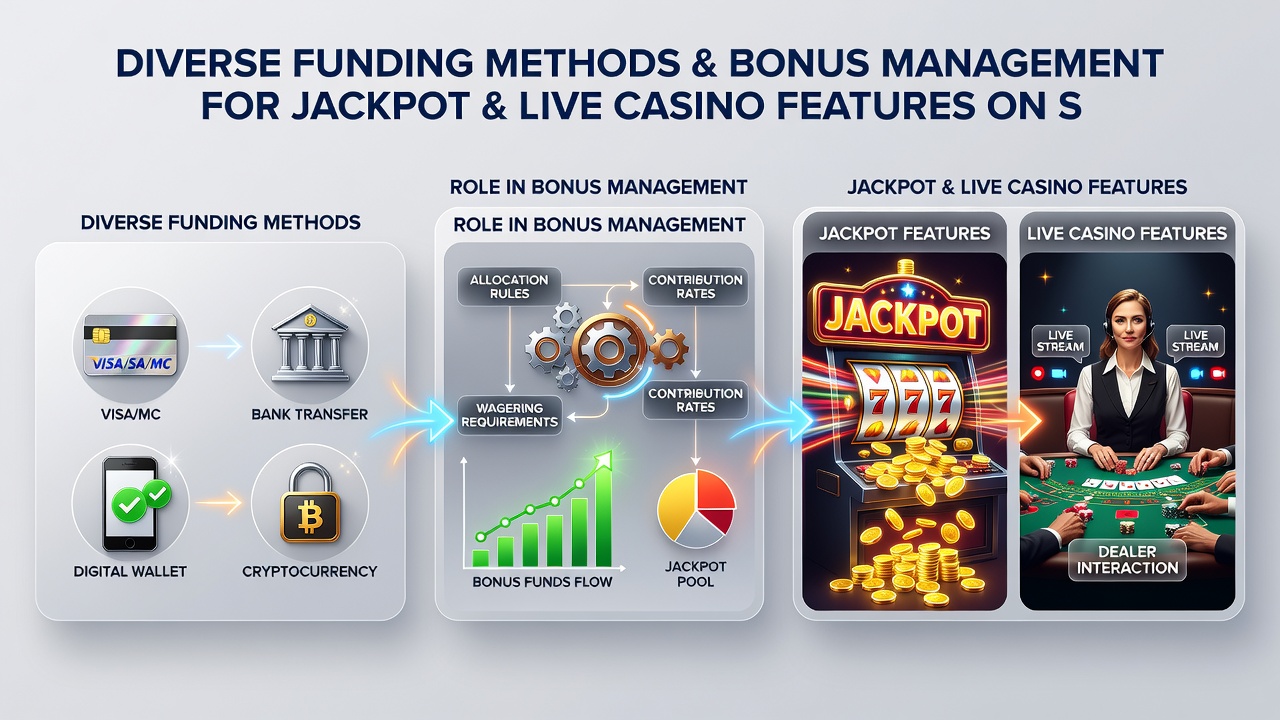
Smartphone users access jackpot pools and live dealer tables through an expanding range of deposit channels that directly influence how operators allocate and track promotional credits. These channels include traditional bank transfers, credit and debit cards, digital wallets, and emerging cryptocurrency options, each carrying distinct processing speeds, fee structures, and verification requirements that affect bonus eligibility windows.
Payment Channels and Their Integration With Mobile Bonus Systems
Operators configure bonus management platforms to recognize the source of each deposit because different methods trigger separate reward multipliers or wagering conditions. Bank transfers often require longer settlement times, which delays the activation of welcome bonuses tied to progressive jackpot contributions, whereas instant e-wallet deposits allow immediate crediting of free spins or cashback percentages on live casino wagers. Research from regulatory bodies shows that transaction traceability helps platforms enforce deposit limits and bonus caps without manual intervention, reducing administrative overhead for both operators and players.
Smartphone applications streamline these processes through in-app verification tools that link directly to banking APIs or wallet providers. When a player funds an account via cryptocurrency, the system records the transaction on a blockchain ledger, enabling automated bonus distribution once the network confirms the transfer. This approach supports rapid crediting of jackpot entries or live table seat reservations while maintaining compliance records for auditing purposes.
Impact on Jackpot Participation and Live Casino Sessions
Progressive jackpot networks allocate portions of each qualifying bet to shared prize pools, and funding method choice determines whether a deposit qualifies for those contributions. Cards and e-wallets typically receive full bonus matching because their transaction data integrates cleanly with real-time gaming engines, allowing seamless addition of promotional funds to mobile jackpot bets. Live dealer sessions, by contrast, sometimes restrict bonus usage to certain payment types to prevent arbitrage across multiple accounts, a practice documented in industry compliance reports.
Data compiled by the American Gaming Association indicates that mobile jackpot revenue in regulated markets grew steadily through 2025, with many platforms reporting higher average deposit sizes when users combined e-wallet funding with targeted bonus offers. Those same figures reveal that cryptocurrency deposits, although smaller in volume, produced elevated bonus redemption rates because of faster processing and lower fees passed on to players.
Regulatory Frameworks Guiding Funding and Bonus Controls
Regional authorities require operators to maintain clear records linking each funding source to bonus usage, particularly for features that combine jackpot contributions with live dealer gameplay. The Malta Gaming Authority, for example, mandates that platforms display bonus terms specific to each payment method so users understand wagering requirements before placing bets on mobile devices. Similar guidelines appear in Australian state regulations, where operators must separate bonus balances from cash balances to prevent misuse across jackpot and table game categories.
October 2026 updates to several European licensing conditions introduced standardized APIs that let funding providers transmit transaction metadata directly to casino management systems. This technical change enables operators to apply dynamic bonus multipliers based on deposit origin while preserving user privacy through encrypted data channels. Observers note that such integrations reduce disputes over bonus eligibility during live sessions where timing and bet size matter.
Technical Considerations for Smartphone Implementation
Mobile operating systems impose additional constraints on payment processing because of security protocols and app store policies. Developers therefore embed tokenization features that store payment details securely on the device, allowing quick top-ups without re-entering card numbers or wallet credentials. These tokens also carry metadata that bonus engines read to determine whether a deposit qualifies for jackpot-specific promotions or live casino cashback offers.
Studies conducted by independent testing laboratories confirm that multi-channel funding setups improve session retention when bonuses activate instantly across both jackpot and live dealer modules. Platforms that support at least four distinct deposit methods report higher engagement metrics because players encounter fewer interruptions when switching between funding sources mid-session.
Conclusion
Diverse funding methods continue to serve as the foundation for precise bonus management in mobile jackpot and live casino environments. By connecting payment channels to automated compliance tools and real-time gaming engines, operators maintain transparent allocation of promotional credits while meeting regulatory expectations across multiple jurisdictions. Continued refinement of these systems supports smoother user experiences on smartphones without compromising the integrity of prize pools or dealer sessions.