Tracing Accountability Threads: Game Developers Weave Protections Into Mobile Jackpot and Bonus Flows via Secure Payment Channels
Geschrieben von Henrik Klein · 17.9.2026

Tracing Accountability Threads: Game Developers Weave Protections Into Mobile Jackpot and Bonus Flows via Secure Payment Channels
Game developers integrate layered security protocols into mobile jackpot and bonus systems to create traceable accountability pathways from initial deposit through payout verification. These mechanisms rely on encrypted payment channels that log every transaction detail while maintaining compliance with regional gaming regulations. Observers note that the process begins at the point of user interaction and extends through backend reconciliation systems that flag anomalies in real time.
Secure Payment Channels Form the Foundation
Payment gateways in mobile platforms process funds through tokenization methods that replace sensitive card data with unique identifiers, and this approach reduces exposure during jackpot triggers or bonus activations. Researchers at the Alcohol and Gaming Commission of Ontario have documented how these channels maintain audit logs that record timestamps, device identifiers, and session data for each bonus award. Developers connect these logs to centralized monitoring dashboards that allow operators to trace fund movements without interrupting gameplay flow.
Encryption standards such as TLS 1.3 and hardware security modules protect data in transit, while multi-factor authentication at the account level adds another verification step before bonus funds release. Studies indicate that platforms using these combined measures report fewer instances of unauthorized access attempts compared to older implementations that relied on single-layer protections.
Accountability Threads in Jackpot Mechanics
Jackpot systems distribute contributions from player wagers into progressive pools that require precise tracking to determine eligibility and payout amounts. Developers embed unique transaction hashes into each bet record so that when a jackpot hits, the system can reconstruct the entire contribution sequence from multiple sessions across different users. This reconstruction capability proves essential during dispute resolution or regulatory audits where authorities demand full visibility into how the winning amount accumulated.
Random number generators certified by independent testing labs feed into these systems, and every generated outcome receives a digital signature that links back to the original seed value. Observers note that such signatures allow investigators to verify fairness without needing to access proprietary code. In September 2026 several jurisdictions plan to require expanded logging of jackpot seed verifications as part of updated technical standards.
Bonus Flow Protections and Real-Time Monitoring
Bonus structures often include wagering requirements that developers enforce through automated tracking modules tied directly to the payment processor. These modules monitor playthrough progress and automatically adjust available funds once conditions meet or fail to meet thresholds. Data from the Nevada Gaming Control Board shows that integrated bonus systems have reduced manual review times for large promotions by capturing every relevant transaction event in immutable logs.
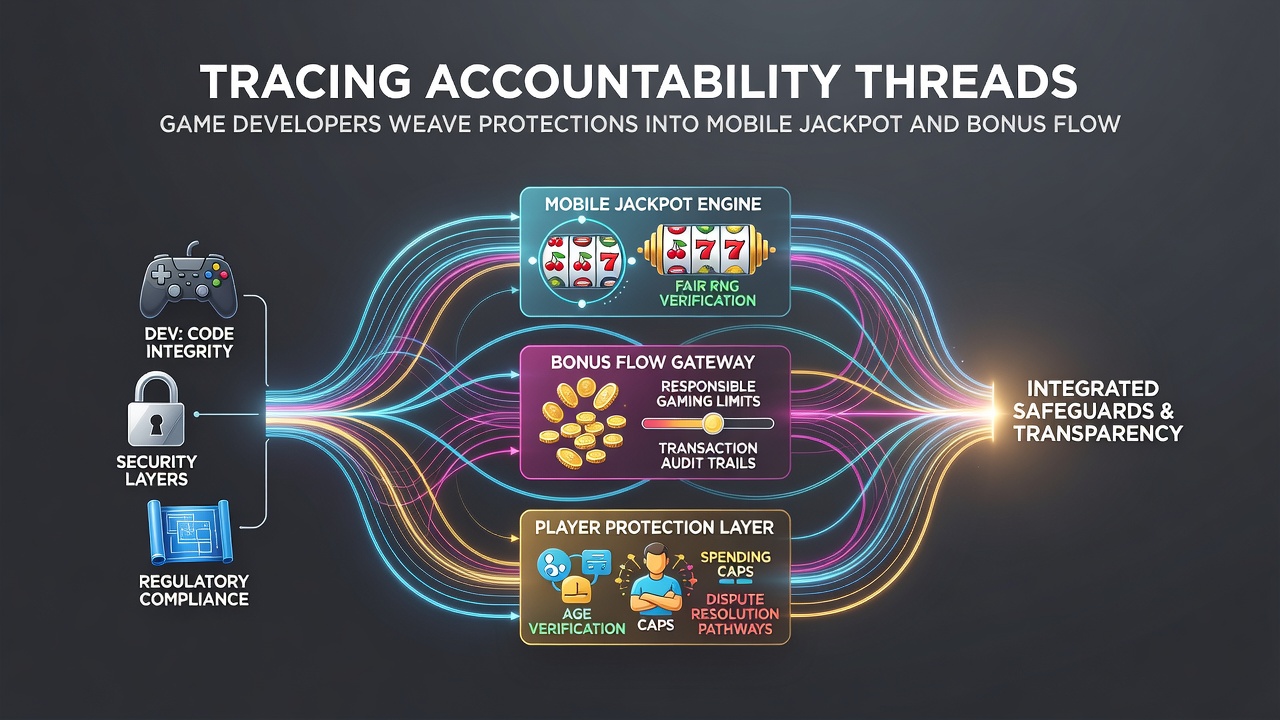
Real-time fraud detection algorithms scan for patterns such as rapid bonus cycling or unusual device switching, and they trigger temporary holds while the system cross-references payment channel records. People familiar with implementation projects report that these holds rarely affect legitimate players because the verification completes within seconds using pre-cached data from the secure ledger.
Regulatory Alignment and Emerging Standards
Compliance frameworks require developers to maintain records for set periods that vary by jurisdiction, and payment channel providers often supply APIs that export formatted data directly to regulatory portals. Industry reports from the Gaming Standards Association highlight how standardized data formats simplify audits by allowing regulators to query specific transaction threads without requesting entire databases. Developers incorporate these export functions during initial platform architecture rather than adding them as afterthought features.
Testing protocols now include simulated attack scenarios that attempt to manipulate bonus eligibility or jackpot contributions through payment channel exploits. Successful defenses in these tests rely on the same accountability threads that connect user actions to final outcomes, creating a closed verification loop that regulators can examine at any stage.
Conclusion
Developers continue to refine these protection layers as mobile platforms handle increasing volumes of jackpot and bonus activity. The combination of secure payment channels, hashed transaction records, and automated monitoring creates accountability structures that support both operational efficiency and regulatory oversight. These systems evolve alongside new technical requirements while preserving the core ability to trace every element of a transaction from start to finish.